
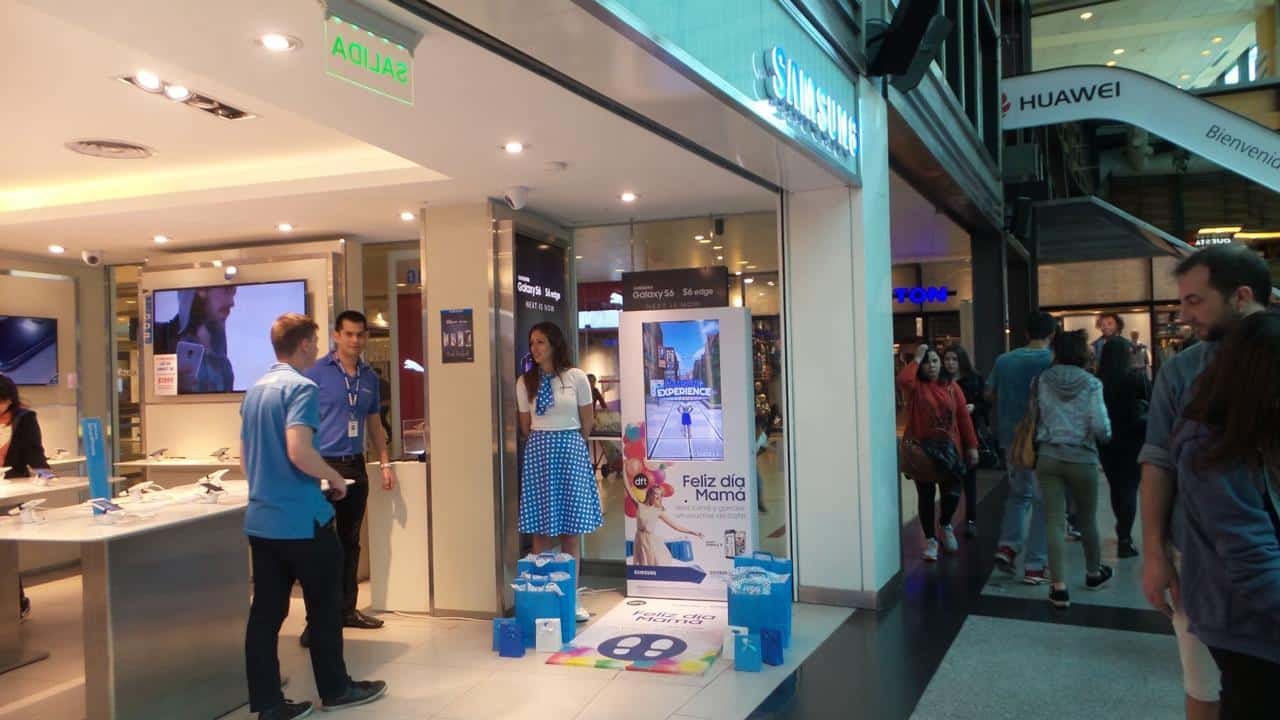
Every exhibitor budgets for the obvious trade show costs: booth space, drayage, travel, staffing, giveaways. Fewer budget for the cost of being forgettable, mostly because that cost never shows up on an invoice. It shows up months later, in a pipeline report, as leads that went cold for no obvious reason.
A boring booth isn’t a design problem. It’s a financial one, and it’s calculable if you’re willing to look at the right numbers.
The Cost That Doesn’t Get Line-Itemed
A standard exhibit pop-up banners, a counter, some literature carries a real dollar cost, but it’s usually the smallest line item in the show budget compared to travel, staffing, and space rental. That low sticker price is exactly why it’s easy to justify going with the boring option. The problem is that the booth’s job isn’t to be cheap. Its job is to convert floor traffic into pipeline, and a forgettable booth quietly underperforms at that job in ways that never appear as a line item anywhere.
The hidden cost shows up in three places: traffic that walks past without stopping, leads that get captured but never convert because there was no real engagement behind the badge scan, and brand recall that evaporates by the time the attendee is back at their desk sorting through a stack of contacts from forty different exhibitors.
Building the Calculation
To actually quantify what a boring booth costs, exhibitors need three numbers most companies already have sitting in their CRM or show recap reports:
1. Total show investment. Add up space, build, drayage, travel, staffing, and giveaways. This is the number most teams already track closely.
2. Leads captured versus leads engaged. A badge scan counts as a lead captured. A lead engaged is someone who had an actual conversation, demo, or interaction, not just a five-second walk-by scan. For most static booths, the gap between these two numbers is large often the majority of scanned leads never had a substantive interaction.
3. Post-show conversion rate by engagement level. Sales teams can typically pull this by segmenting closed-won deals against how the lead was originally captured. Leads with a genuine on-site interaction convert at meaningfully higher rates than passive badge scans.
Once you have those three numbers, the hidden cost becomes visible: multiply the gap between leads captured and leads engaged by your average conversion rate and average deal value. That number is the revenue left on the table because the booth didn’t hold attention long enough to turn a walk-by into a real interaction.
Show: Why This Gets Missed Every Year
Most exhibitors evaluate a trade show booth on cost and appearance, not on engagement mechanics, because engagement is harder to see in a booth mockup than square footage or graphics quality. A rendering looks impressive in a planning meeting. It doesn’t tell you whether attendees will actually stop and engage once the booth is built and the floor is loud and crowded.
This is also why year-over-year show budgets tend to get relitigated on the wrong variable. If lead counts look flat or down, the instinct is often to cut booth spend further rather than ask whether the booth ever gave attendees a reason to stop moving in the first place.
What Changes the Math
The exhibitors who consistently improve their numbers year over year tend to be the ones who’ve shifted budget toward something interactive, whether that’s a game, a competitive challenge, or another format from the growing category of trade show booth game ideas built specifically to convert foot traffic into a genuine on-site interaction. The logic isn’t complicated: an activation that requires participation naturally closes the gap between leads captured and leads engaged, because the interaction itself is the data capture mechanism.
That shift also tends to improve the third variable, since attendees who played something memorable are more likely to recall the brand weeks later when a sales rep follows up, compared to attendees whose only interaction was a badge scan on the way to another booth.
Running Your Own Numbers
Exhibitors who want to see where they stand before committing next year’s budget can plug their own show costs, lead counts, and conversion assumptions into a trade show ROI calculator to see how much the engagement gap is actually costing them, and how the math shifts once an interactive element is added to the plan.
The Bottom Line
A boring booth isn’t a neutral choice that simply saves money. It’s a choice that trades a visible, small savings on build cost for an invisible, often larger loss in pipeline quality. The exhibitors who’ve started treating booth design as part of the branded games and interactive experience budget, rather than just a backdrop line item, are the ones who can actually show which dollars produced which leads, instead of guessing at the end of the show season why the numbers didn’t move.
The cost of a boring booth was always there. It just took the right calculation to see it.