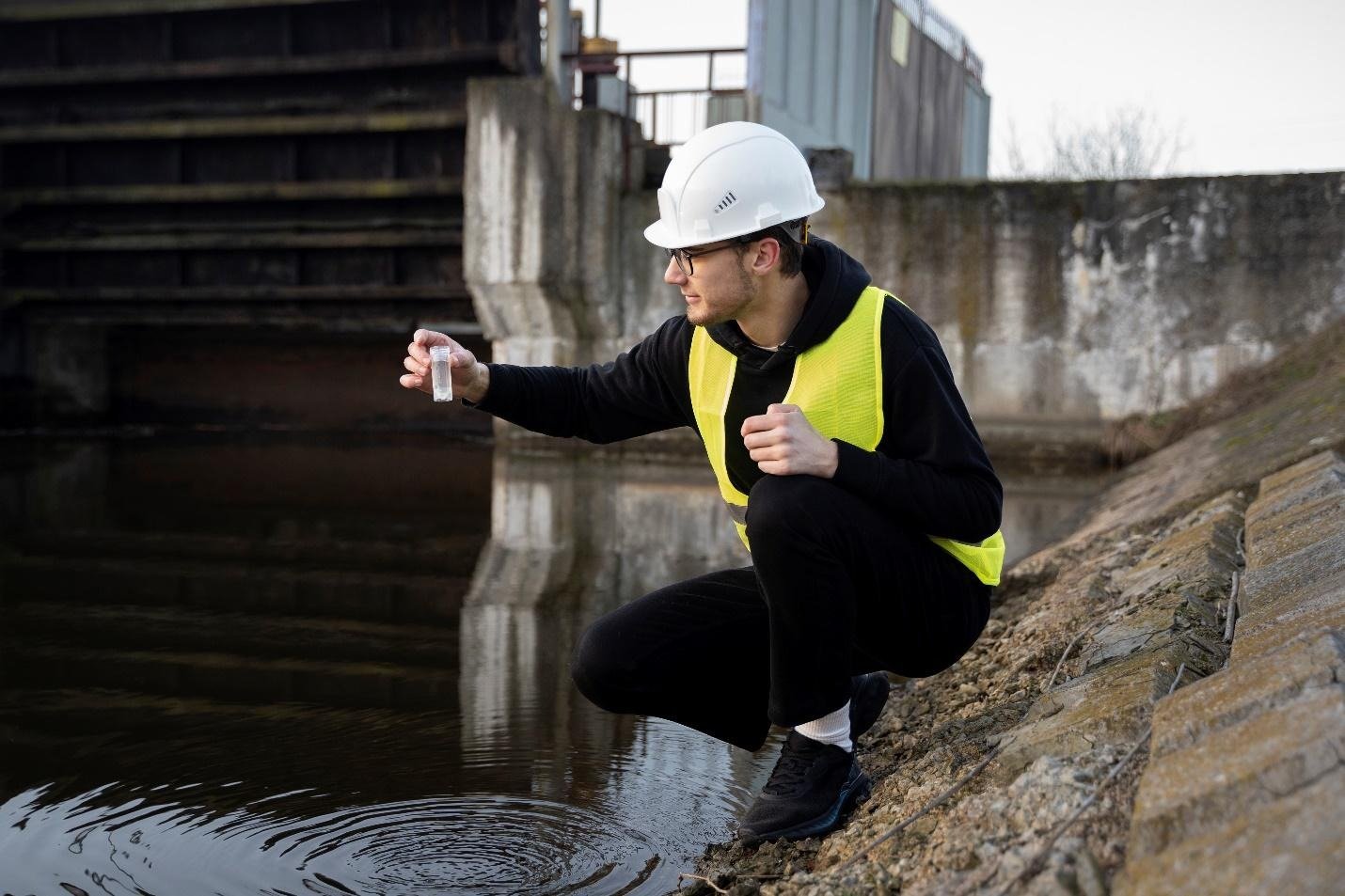
Wastewater is produced by businesses on a daily basis. Water goes into manufacturing plants and food processing plants, and out of the plants to hotels and healthcare centers, where it is consumed, polluted, and discharged in the day-to-day functioning. Unless treated properly, that wastewater may damage the environment and pose a real threat. Here, commercial wastewater treatment systems come in.
A commercial wastewater treatment system treats and manages wastewater generated by businesses before it is discharged or reused. They assist in eliminating pollution, preserving local water resources, and meeting environmental standards. In addition to fulfilling legal requirements, these systems can address actual issues facing businesses by reducing risk, controlling costs, and enabling sustainable operations. In this article, we will explain what commercial wastewater treatment systems are and how they work.
What are Commercial Wastewater Treatment Systems
Commercial wastewater treatment systems refer to the designs that treat wastewater produced by a commercial facility. They are designed to accommodate larger amounts of contaminants and also more complex contaminants compared to residential systems. The systems are designed depending on the kind of wastewater generated.
Environmental protection is one of the largest reasons why such systems are important. The untreated wastewater may contaminate the rivers, lakes, and groundwater and damage the ecosystem and the health of people. Businesses also consider commercial wastewater treatment systems as a method of fulfilling regulatory requirements.
- Wastewater Collection and Screening
The process of treatment starts with the gathering of wastewater at different locations in a facility. After gathering, the water is screened through a screening machine that filters off big debris, like food scraps, plastics, or any other object that can be screened. The elimination of massive materials at an initial stage enhances the functionality of the whole system.
- Primary Treatment
During the first treatment phase, wastewater is detained in tanks with the heavier solids being collected at the bottom. The items that are lightweight float and are removed from the surface. Oils and greases, which have risen to the surface, are skimmed off. This process helps greatly to eliminate solid material in the water. However, it does not eliminate dissolved contaminants.
- Secondary Treatment
Secondary treatment is aimed at decomposing organic matter. This is usually carried out through biological processes in which microorganisms are allowed to feed on organic pollutants. To help in this process, commercial wastewater treatment systems employ either aeration tanks or biological reactors. These systems promote the growth of microorganisms, thus eliminating pollutants.
- Tertiary Treatment
There are businesses that demand more treatment. Advanced treatment can involve filtration, chemical treatment, or membrane treatment to eliminate the remaining contaminants like nutrients, metals, or pathogens.
Particularly, facilities that release wastewater into sensitive locations or use treated water within their operations are required to take this step.
- Sludge Management
When wastewater is treated, solids in the form of sludge are obtained. There are commercial wastewater treatment systems that contain processes of thickening, dewatering, and proper treatment and disposal or reuse of this material. Effective handling of sludge lowers the cost of waste management and adherence to environmental regulations.