Forehead creases are one of the earliest and most visible signs of facial aging, often caused by repetitive muscle movement, collagen loss, and skin laxity. These horizontal lines can deepen over time, making the face appear tired, stressed, or older than it actually is. Modern aesthetic medicine offers advanced solutions, and Forehead crease reduction has become a highly sought-after clinical treatment for individuals looking to achieve smoother, younger-looking skin without undergoing invasive surgery.
Understanding Forehead Creases and Their Causes
Forehead lines typically develop due to a combination of dynamic facial expressions, intrinsic aging, and environmental factors such as sun exposure and pollution. When the frontalis muscle repeatedly contracts during expressions like raising eyebrows or frowning, it gradually forms etched lines in the skin. As collagen and elastin production declines with age, the skin loses its ability to bounce back, causing fine lines to become deeper creases.
Genetics also play a crucial role in determining how early and how prominently forehead wrinkles appear. Individuals with expressive facial movements or thinner skin may notice forehead creases sooner. Additionally, lifestyle factors such as smoking, stress, and inadequate skincare can accelerate wrinkle formation, making clinical intervention more appealing for long-term correction.
Why Choose Clinical Treatments for Forehead Crease Reduction
Clinical treatments provide scientifically proven, targeted solutions that deliver faster and more noticeable results compared to over-the-counter skincare products. Unlike topical creams that only improve surface texture, medical aesthetic procedures address the underlying muscle activity, volume loss, and skin damage responsible for forehead creases.
Patients often choose clinical forehead wrinkle treatments because they are minimally invasive, customizable, and require little to no downtime. These procedures are performed by qualified dermatologists or aesthetic practitioners using advanced technology and medically approved injectables or devices. The goal is not just wrinkle removal but also natural-looking rejuvenation that preserves facial expressions.
Botox Injections for Forehead Wrinkle Smoothing
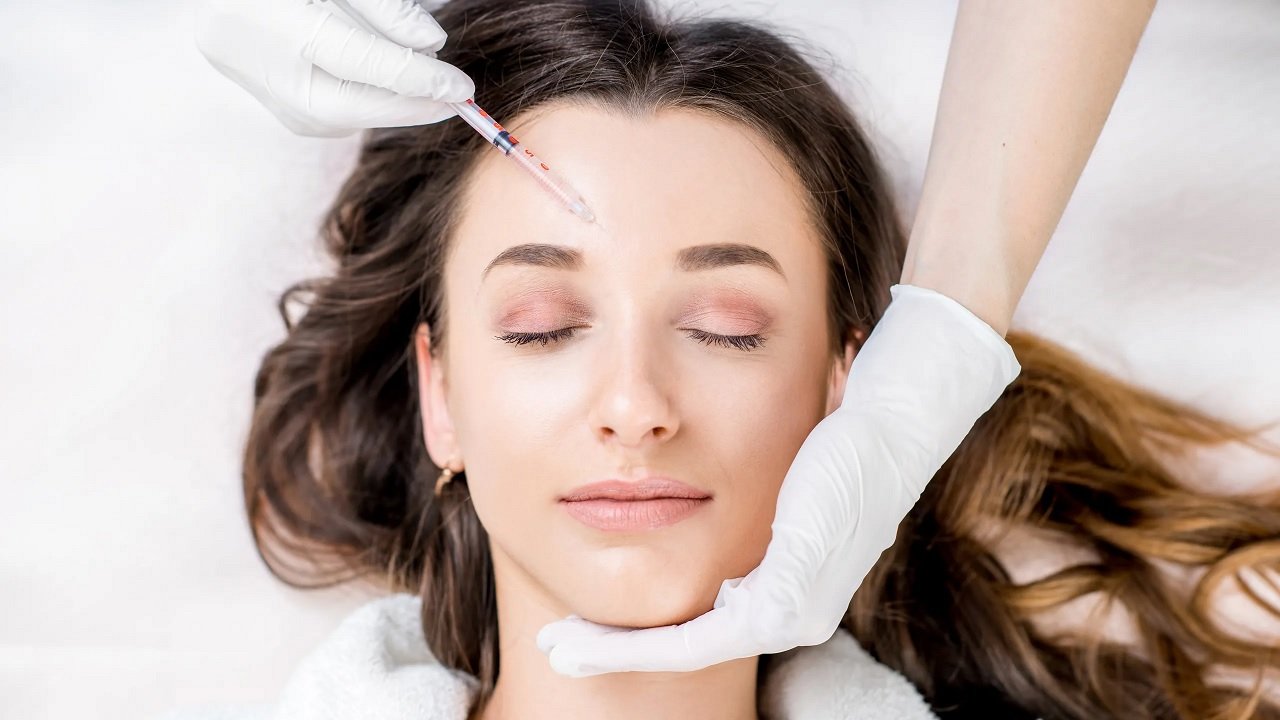
Botulinum toxin injections, commonly known as Botox, are among the most popular clinical solutions for forehead crease reduction. This treatment works by temporarily relaxing the frontalis muscle, preventing repetitive contractions that cause wrinkle formation. By reducing muscle activity, the skin on the forehead appears smoother and more youthful within a few days of treatment.
Botox is especially effective for dynamic forehead lines that appear during facial expressions. The procedure is quick, typically taking 10–20 minutes, and results can last between three to six months depending on individual metabolism and muscle strength. Regular maintenance sessions can help prevent deeper crease formation over time, making it a preventive as well as corrective treatment.
Dermal Fillers for Deep Forehead Creases
For static forehead lines that remain visible even at rest, dermal fillers offer an excellent clinical solution. Hyaluronic acid-based fillers are commonly used to restore lost volume and smooth out deeper creases. These fillers work by plumping the skin from within, filling the etched lines and improving overall forehead contour.
Clinical filler treatments provide immediate results and can last from 9 to 18 months, depending on the type of filler used. Skilled practitioners carefully inject the product to ensure natural results while maintaining facial harmony. This treatment is particularly suitable for individuals with pronounced forehead wrinkles that cannot be fully corrected with muscle relaxants alone.
Laser Resurfacing for Advanced Skin Rejuvenation
Laser treatments are another highly effective clinical approach for reducing forehead creases and improving skin texture. Fractional laser resurfacing stimulates collagen production by creating controlled micro-injuries in the skin, encouraging natural healing and regeneration. Over time, this leads to smoother, firmer skin with reduced wrinkle depth.
Clinical laser procedures also address pigmentation, sun damage, and uneven skin tone, making them a comprehensive anti-aging treatment. While some redness and mild peeling may occur post-treatment, the long-term results include enhanced skin elasticity and noticeable wrinkle reduction. Multiple sessions are often recommended for optimal outcomes.
Radiofrequency and Ultrasound Skin Tightening
Non-surgical skin tightening treatments using radiofrequency (RF) and high-intensity focused ultrasound (HIFU) are increasingly popular for forehead crease management. These clinical technologies deliver controlled heat energy deep into the dermis, stimulating collagen remodeling and tightening loose skin.
RF and ultrasound treatments are ideal for individuals with mild to moderate forehead lines who prefer gradual, natural-looking improvement. The procedure is non-invasive, painless, and requires no downtime, making it a convenient option for busy professionals. Over several weeks, patients typically notice smoother forehead skin and improved firmness.
Chemical Peels for Surface Line Reduction
Medical-grade chemical peels are another clinical option that helps reduce superficial forehead creases by exfoliating damaged skin layers. These peels use active acids such as glycolic acid, trichloroacetic acid (TCA), or salicylic acid to promote cell turnover and collagen renewal.
Clinical peels can significantly improve fine lines, skin texture, and overall radiance. Depending on the depth of the peel, recovery time may vary from a few days to a week. When performed under professional supervision, chemical peels are safe and effective for enhancing the results of other wrinkle reduction treatments.
Combination Treatments for Optimal Results
Many dermatologists recommend combination therapy for comprehensive forehead crease reduction. For example, Botox may be used to relax muscles, while fillers restore volume and laser treatments improve skin quality. This multi-modality approach addresses different causes of forehead wrinkles simultaneously.
Customized treatment plans ensure that each patient receives the most suitable clinical intervention based on their age, skin type, and wrinkle severity. Combining treatments often leads to longer-lasting and more natural-looking results compared to a single procedure.
Safety, Recovery, and Expected Results
Clinical forehead wrinkle treatments are generally safe when performed by certified professionals in a medical setting. Most procedures are minimally invasive and involve little discomfort, often requiring only topical anesthesia or numbing cream. Patients can usually return to normal activities immediately after treatments like Botox, fillers, or RF therapy.
Results vary depending on the treatment method and individual skin condition. Botox shows visible improvement within a week, fillers provide instant smoothing, and collagen-stimulating treatments such as lasers or ultrasound deliver gradual but long-lasting enhancement. Mild swelling, redness, or bruising may occur but typically resolves within a few days.
Choosing the Right Specialist for Clinical Forehead Crease Reduction
Selecting an experienced and qualified aesthetic practitioner is crucial for achieving safe and effective results. Board-certified dermatologists or licensed cosmetic doctors possess the expertise required to assess facial anatomy and recommend appropriate clinical treatments. Proper consultation ensures realistic expectations and personalized treatment planning.
During the consultation, the specialist evaluates wrinkle depth, muscle activity, skin elasticity, and medical history. This assessment helps determine whether Botox, fillers, laser resurfacing, or a combination approach will provide the best outcome. Transparent communication and a medically supervised environment significantly reduce risks and enhance patient satisfaction.
Long-Term Maintenance and Prevention
Although clinical treatments provide significant improvement, maintaining results requires ongoing care. Regular follow-up sessions, professional skincare treatments, and sun protection are essential to prevent new crease formation. Dermatologists often recommend medical-grade skincare products that support collagen production and skin repair.
Preventive treatments in the early stages of wrinkle formation can delay the progression of deep forehead lines. Consistent clinical maintenance combined with professional skincare guidance helps preserve smoother, youthful-looking skin for years.
Clinical Forehead Crease Treatments
Forehead creases no longer need to be accepted as an unavoidable sign of aging thanks to advancements in aesthetic medicine. From Botox and dermal fillers to laser resurfacing and ultrasound tightening, modern clinical treatments offer safe, effective, and long-lasting solutions. By addressing the root causes of wrinkles through medically proven techniques, patients can achieve noticeable rejuvenation with minimal downtime.
Investing in professional forehead crease reduction treatments not only enhances appearance but also boosts confidence and overall facial harmony. With the right clinical approach and expert care, smoother, younger-looking forehead skin is both achievable and sustainable.
Eleanor Shaw is a professional health and aesthetic medicine writer specializing in forehead crease reduction, facial line treatments, and non-invasive cosmetic procedures. She focuses on simplifying aesthetic medicine and skincare science into clear, informative content that helps readers understand treatment options, safety, and effective approaches to smoother, healthier-looking skin.