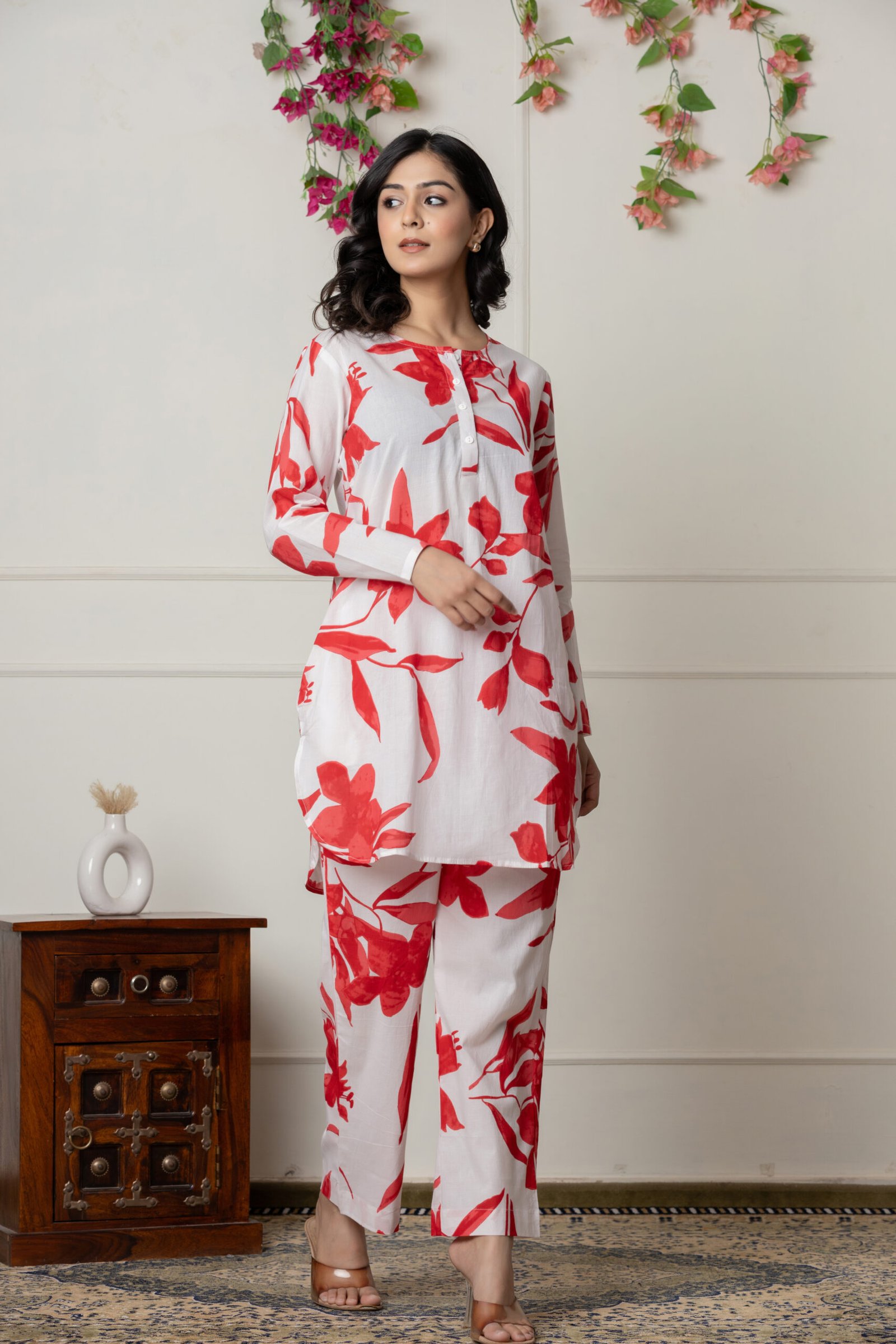
In the energetic city of Jaipur, often referred to be the cultural centre of Rajasthan, history and craftsmanship blend. Fashionistas, designers, and business owners equally for a very long time have drawn from the city’s vibrant marketplaces, rich textiles, and centuries-old artisan tradition. Among its many textile goods, the kurtis—flexible Indian tunics—have particular relevance for the company. Mostly created in the city, Kurtis is also well-known for its quality, inventiveness, and cultural variety of Jaipur Kurti Manufacturer products.
The Foundation Of This Custom Is Textile History
Textiles are claimed to have extensive history in Jaipur spanning many centuries. Usually a component of India’s fast growing commerce route, block printing, dyeing, embroidery, and handlooming manufacture contributed to define this city. This resulted in the creation of a well-organised garment company over the course of time, which in turn led to the building of the contemporary Kurti by merging classic patterns with modern shapes.
Making kurtis in Jaipur is not just a business activity but also a heritage handed down from generation to generation. Many of the surrounding companies are family-owned companies with decades of operation under their name. These designers are well informed on the many finishing techniques, colour theory, printing techniques, cloth, and theory of design.
An All-Inclusive Guide on the Jaipur Kurti Making Techniques
Making a Kurti in Jaipur is a challenging process with many steps, each accomplished by experienced artisans with subject-matter expertise. The design’s conceptualisation starts the process; inspiration for it usually comes from local flora, Mughal patterns, traditional motifs, even historical buildings. Designers with headquarters in Jaipur may combine historic ideas with current cuts, asymmetric hemlines, and fusion designs to appeal to modern clientele.
The steps of dying and printing are second among the most labour-intensive and culturally significant operations. Often used vegetable colours and natural dyes assist to maintain an environmentally responsible approach. Hand block printing is a signature of Jaipur, a technique in which hand-carved wooden blocks stamp designs on cloth. This method calls great knowledge and accuracy.
The Kurti also go through quality tests, ironing, labelling, and packing before it is sent overseas or to retail outlets. Even if the process takes a lot of time, it guarantees that every single item has special visual appeal.
What makes Jaipur’s Kurtis unique?
In terms of Kurtis’ manufacturing, Jaipur distinguishes itself from other cities mostly with the harmony of creativity and innovation. Though they still use their conventional methods, the artists may adjust to the continually shifting need of the market. Whether they are experimenting with Indo-Western fusion trends or customising fits to fulfil global sizing standards, Jaipur’s designers are able to constantly produce fashion-forward items without sacrificing the cultural character of their products.
Furthermore very striking are the colours’ brightness. Because of its earthy tones, sharp contrasts, and natural dyes that defy simple fading, Jaipur Kurtis are very famous for their appearance. Often harmonious and balanced, the designs reflect the virtues of beloved Rajasthani culture.
A Market Blooming For Wholesale and Export Like Products
Apart from being a centre for design and manufacture, Jaipur is also a main centre for the wholesale Kurtis supply chain. Kurtis in huge numbers originate from the respected marketplaces of Bapu Bazaar, Johari Bazaar, and Sanganer, retailers, internet shops, and boutique owners all know. From everyday clothing to ostentally designed products appropriate for celebratory gatherings, these marketplaces provide a spectrum of possibilities.
Growing worldwide interest in Indian design has prompted Kurti makers located in Jaipur to likewise introduce their products on the world market. Countries include the United States of America, the United Kingdom, Canada, and Australia with significant populations of Indians living overseas account for a major portion of the export market. Sometimes designers from other nations work with Jaipur artists to produce ethnic collections under their own labels, therefore adding even another level of appeal.
The Part Technology Plays and The Revolutionary Kurti Manufacturer
Although the business is based on custom, Jaipur’s Kurti manufacturing facility is obviously seeing more technological usage. Especially for bigger businesses, the usage of digital textile printing, computer-aided design (CAD), and laser cutting is growingly frequent.
B2B systems and e-commerce have also greatly impacted the way companies do business. Using platforms like IndiaMART, TradeIndia, and even WhatsApp Business, local producers can now route their products directly to retailers all around India and even beyond. Thanks mostly to real-time catalogues, digital payments, and custom ordering flexibility, response times have fallen drastically.
Even here, social media is somewhat important. Many producers post their collections on Facebook and Instagram, which attracts owners of stores and resellers constantly searching for new ethnic clothing within their price range on social media.
Different Difficulties Affecting the Sector
Jaipur’s Kurti manufacturing sector has various difficulties even if it is expanding. Retention of workers is one of the most crucial problems as younger generations are choosing white-collar occupations and away from traditional crafts more and more.
Maintaining price competitiveness adds even more weight to the strain. Some lesser artists are unable to meet the demand for competitively priced, mass-produced items as rapid fashion and mass manufacturing are spreading. Usually this leads to sacrifice of design quality and uniqueness.
Environmental problems and water use will affect the printing and dyeing industries. Even if it benefits the environment, natural dying does need a lot of water resources. To combine history with sustainability, some producers are hard at work developing water-saving methods or choosing colours with little effect.
Prospects for Jaipur’s Kurti Sector
Conscious fashion is becoming more and more fashionable, hence there is reason for optimism for the future. Jaipur is well-positioned to benefit from the worldwide growing need for environmentally sustainable, culturally significant, handcrafted apparel. Government programs encouraging “Make in India” and assisting micro, small, and medium-sized companies (MSMEs) assist to motivate the development of this sector even further.
It is also envisioned that designers, non-governmental organisations (NGRs), and local craftspeople will work more among each other to promote indigenous talent. Programs supporting the development of skills and awards for innovation might assist to resuscitate the industry and attract younger individuals into the profession.
The Kurti manufacturing industry is poised to expand and flourish in local and international markets if Jaipur strikes the ideal balance between honouring history and recognising innovation.
Finally
Kurti Manufacturers in Jaipur are a vibrant combination of legacy, expertise, and inventiveness. The actual central focus of the company is this. Hand-carved block prints and delicately embroidered designs are two two examples of the techniques in which each and every Kurti represents culture, craftsmanship, and creativity. The brand constantly evolving in response to contemporary design trends and technological breakthroughs, therefore reflecting India’s remarkable textile talents as well as a fashion mainstay. The Kurti manufacturing ecosystem in Jaipur would be an interesting starting place for anybody curious in the essence of Indian current fashion.